
Built with educator feedback for NZ & Australian ECE

Learning stories drafted faster
without losing the educator's voice.

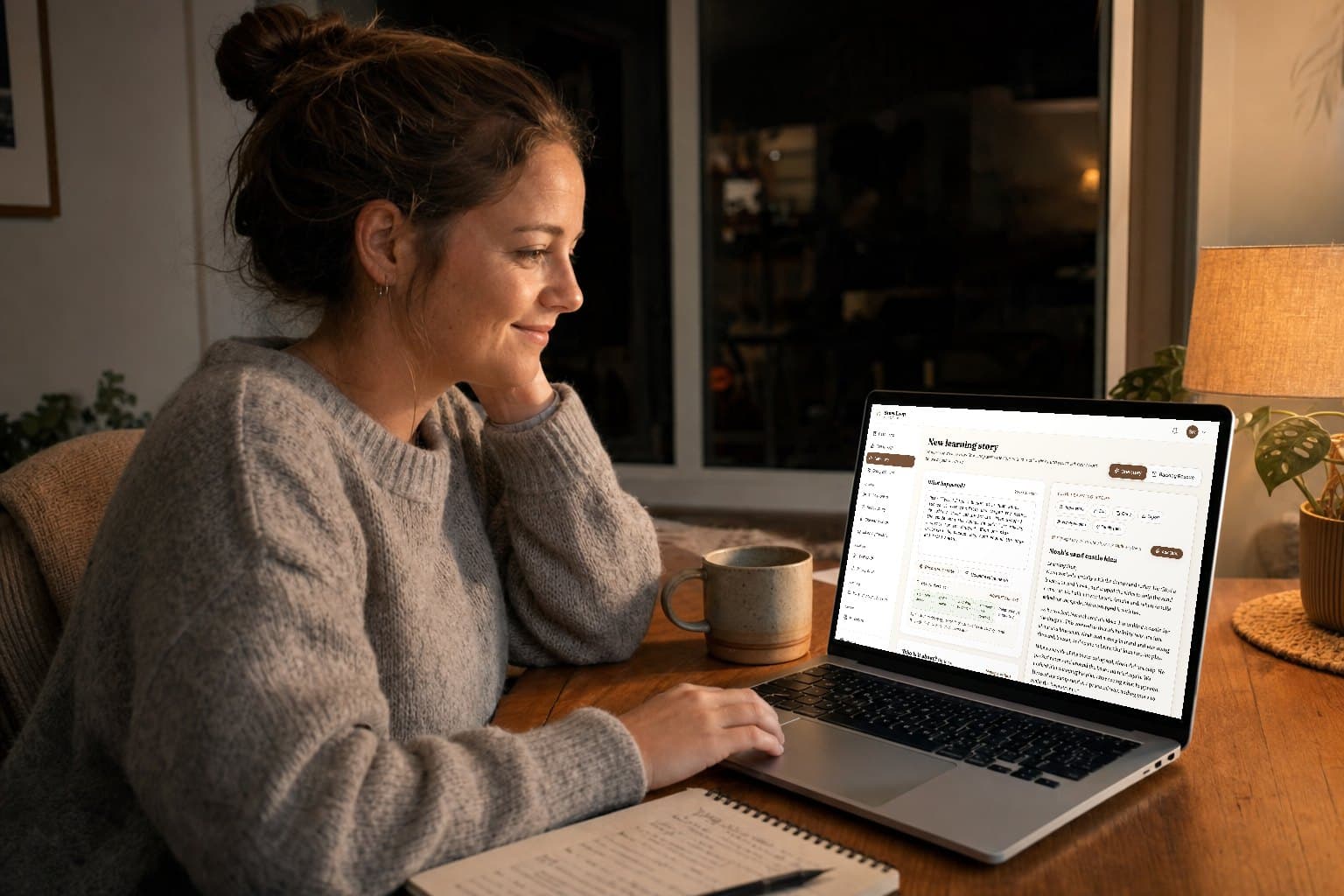
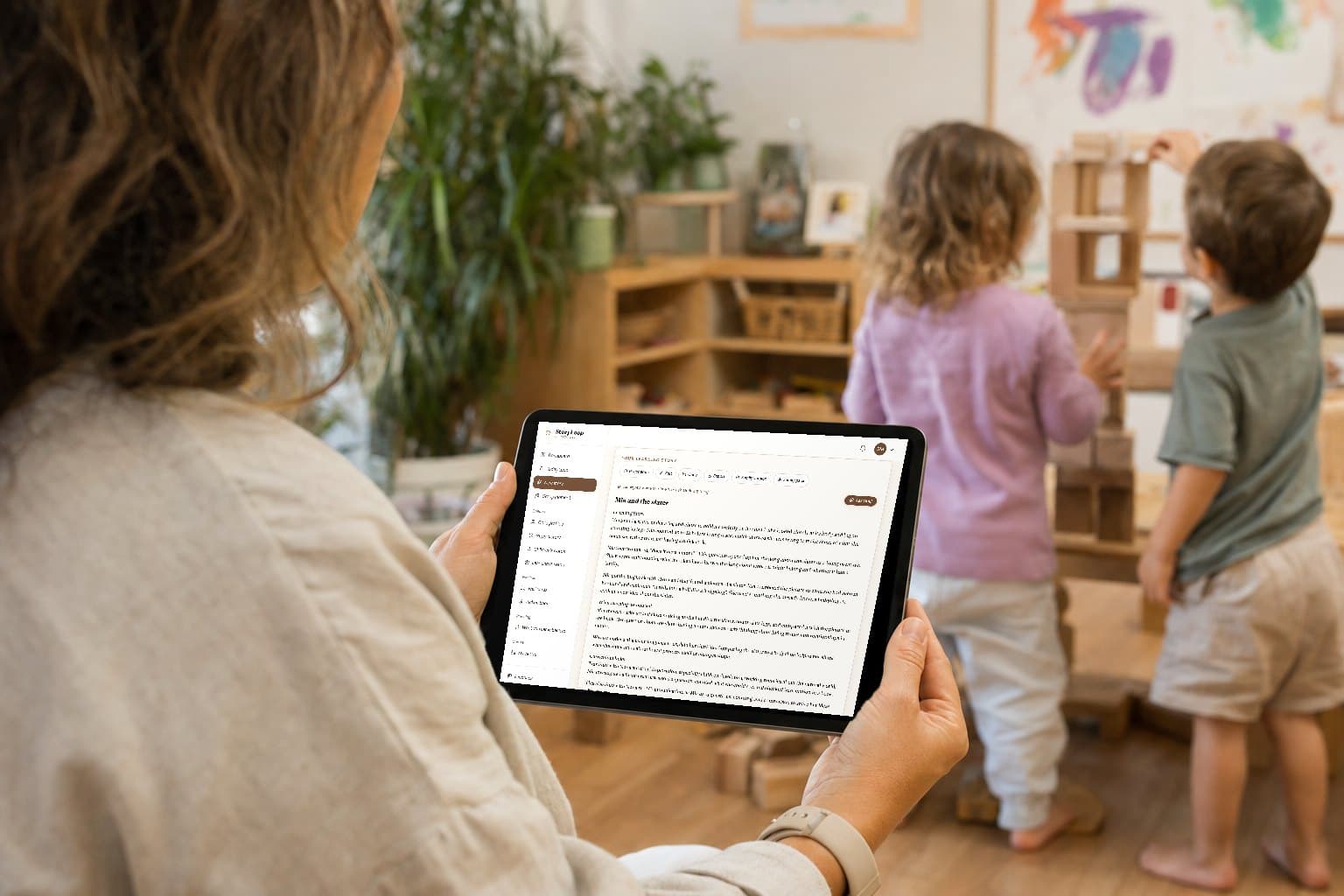
Turn real observations into meaningful learning story drafts — with Te Whāriki or EYLF links, dispositions, next steps, and a natural educator tone. StoryLoop supports the first draft while keeping educator reflection and judgement at the centre.

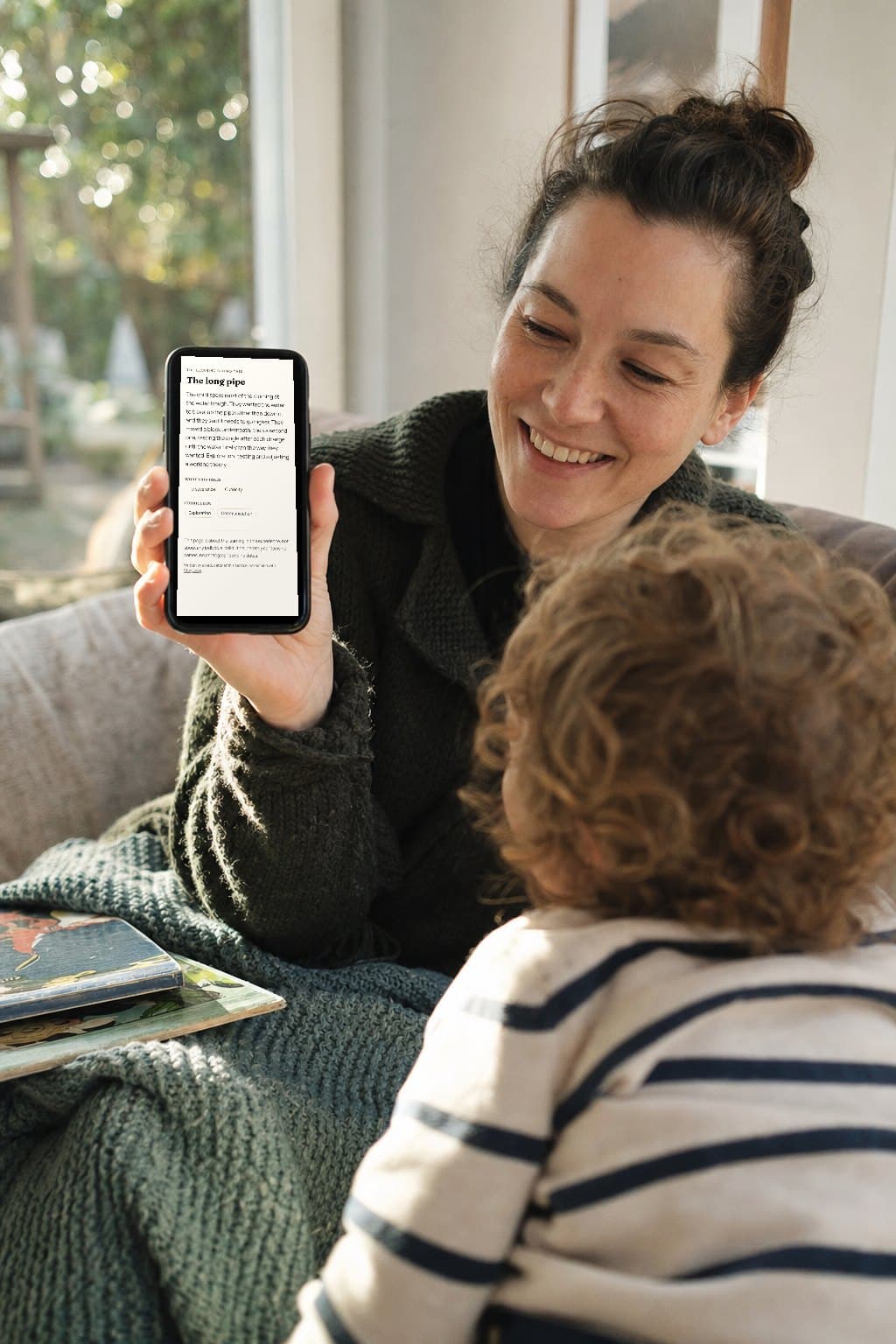
Editable first draftsNo credit cardEYLF + Te WhārikiWorks on phone

Try it now — no signup needed

See the draft style.

Paste a real observation below and see how StoryLoop turns it into an editable first draft.

0/500

Your learning story will appear here

Product pillars

Educator-led, curriculum-aware,
and easy to edit.

Meaningful, not lengthy. Relevant, not repetitive. Child-focused, not generic.

Voice or text input

Record the real moment or type rough notes. If mic recording is unavailable, typing and audio upload still work.

EYLF and Te Whāriki aware

Stories link to the right curriculum without turning into policy-speak or treating strands as outcomes.

Editable history

Every story stays saved so you can edit, copy, export, and regenerate from the original observation.

Educator voice controls

Choose natural educator, warm reflective, professional, or simple tone, plus concise, balanced, or detailed depth.

Easy to copy across

Copy the finished story straight into your existing documentation system or family update flow.

Cuts down rewriting

Start from a usable first draft instead of a blank page at the end of the day.

Sounds like an educator

More grounded, less robotic. The goal is a draft you can recognise and edit quickly.

Privacy first

Your observations are never used to train AI models. Data is access-controlled and stored securely.

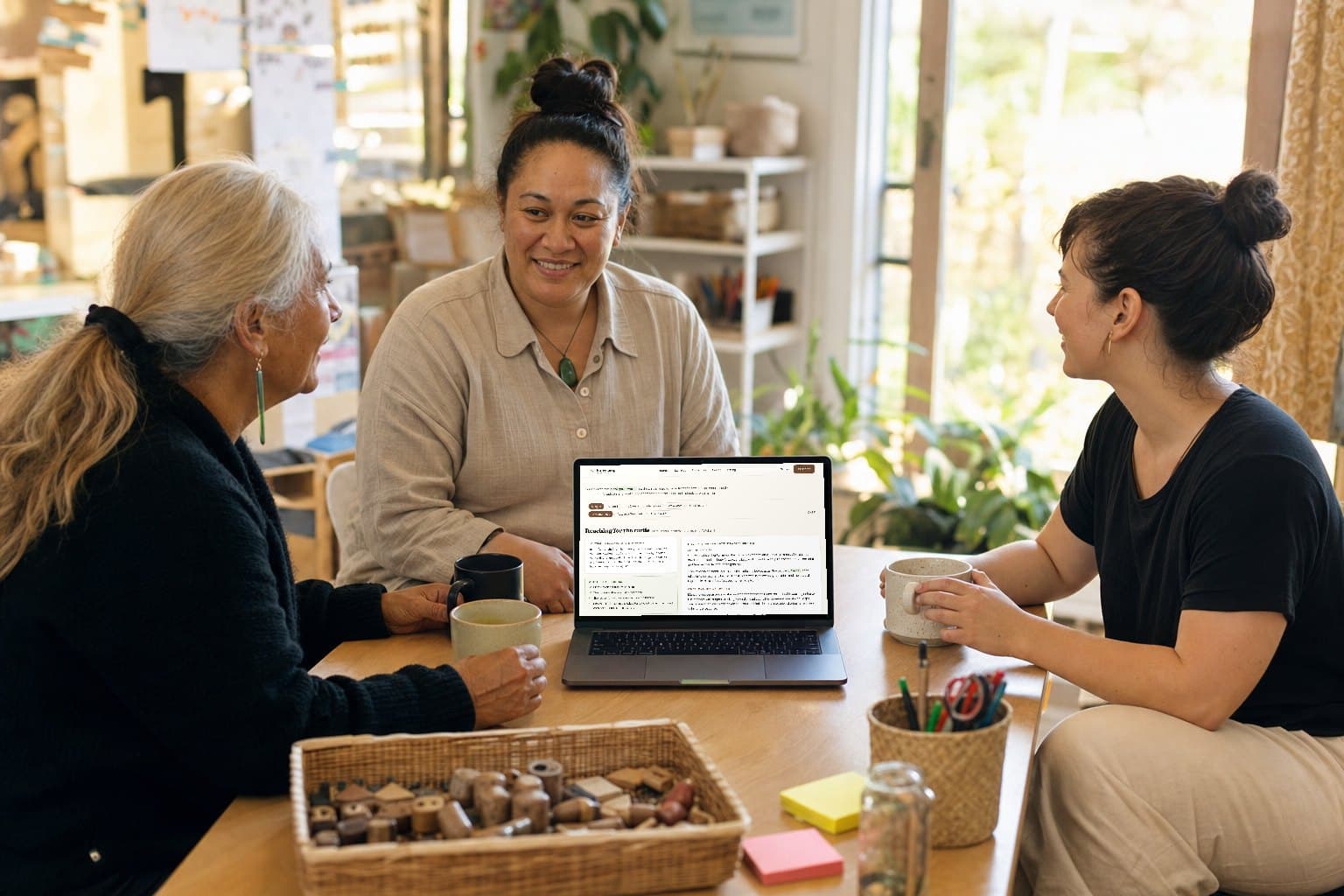
Built with educator feedback

StoryLoop is still improving with real centre practice in mind.

StoryLoop is still improving. Feedback from real educators helps shape how stories are written, linked, and structured. The aim is not to replace educator judgement, but to reduce the blank-page backlog and support stronger first drafts.

How it works

From observation to editable draft
without losing your voice.

01

Capture the moment

Voice record what happened after play, or type 3-5 quick bullets. No formal structure needed.

02

StoryLoop shapes it

StoryLoop turns rough notes into a first draft with curriculum links, dispositions, and practical next steps.

03

Review, tweak, publish

Edit anything that needs your touch, then copy it into your usual documentation system.

Real examples

Stories educators are actually proud to publish.

Real inputs, grounded outputs, and language that feels closer to the floor than a content generator.

Input

2 years

Sienna (2yo) watered plants with watering can. Talked about worms. Filled & refilled can 6 times.

StoryLoop output

Sienna spent a long time in the garden today, carrying the watering can backwards and forwards to the tap and filling it again and again. She noticed the worms in the damp soil and stopped to look closely before going back to watering. Sienna stayed with this job for a long stretch of time and showed real care for the plants and the space around her. **What this learning shows:** Sienna is building persistence, curiosity, and a growing sense of responsibility for the environment. **Linked curriculum:** EYLF Outcome 2 — Children are connected with and contribute to their world, particularly showing care for the environment through repeated watering and close noticing. **Next steps:** Offer magnifying glasses for closer worm observation and invite Sienna to help with planting so she can keep following this interest.

Input

4 years

Marcus (4) building blocks, got frustrated when tower fell. Took deep breath, tried again. Proud when it stood.

StoryLoop output

Marcus was building a tall block tower today when it fell over. He looked frustrated, paused, took a deep breath, and started again. Marcus stayed with the challenge until the tower stood, then proudly said, "I did it by myself." **What this learning shows:** Marcus is strengthening self-regulation, persistence, and confidence when things do not go to plan. **Linked curriculum:** EYLF Outcome 3 — Children have a strong sense of wellbeing, and Outcome 4 — Children are confident and involved learners, as Marcus used a calming strategy and stayed with the challenge. **Next steps:** Notice the strategy Marcus used, name it with him, and offer more chances to practise managing frustration in play.

Input

Toddler

Whole group story time in Aotearoa. Emma pointed at duck in book, said 'quack'. Smiled when other tamariki joined in.

StoryLoop output

During story time today, Emma pointed to the duck in the book and said "quack" as the other tamariki watched and joined in. She smiled when the group repeated the sound with her and stayed engaged in the shared reading. **What this learning shows:** Emma is growing confidence as a communicator and is using shared group moments to connect language with meaning. **Linked curriculum:** This links with Mana reo | Communication, particularly using gesture, sound, and shared story language to express meaning. It also connects with Mana tangata | Contribution as Emma joined a group moment and saw other tamariki respond. **Next steps:** Revisit animal sound books, keep using shared waiata and story prompts, and share this language moment with whanau.

Simple, fair pricing

Pay less than one lunch break of saved time.

Start with a simple draft, then review and tweak it before it goes anywhere.

Free

$0

3 stories/month

  • 3 stories per month
  • EYLF or Te Whāriki alignment
  • Copy into your workflow
  • No credit card required
Start free
MOST POPULAR

Educator

$19AUD/month

Unlimited stories

  • Unlimited learning stories
  • Voice notes
  • Tone and depth controls
  • Editable story history
  • Email support
Start 7-day trial

Centre

$49AUD/month

Unlimited stories for your rollout

  • Everything in Educator
  • Shared billing
  • Priority support
  • Team rollout planning
  • Admin oversight
Start 7-day trial

All prices GST inclusive · Cancel anytime · Own your data

Questions

Everything educators ask.

What is StoryLoop?+

StoryLoop is an early childhood documentation tool that turns real educator observations, voice notes, or bullet points into editable learning story drafts.

Does StoryLoop replace educator thinking?+

No. StoryLoop supports drafting and structure, while educators remain responsible for observation, interpretation, reflection and final editing.

Can I edit the generated stories?+

Yes. You can edit a generated story, save changes, copy it, export it, and regenerate from the original observation using a different tone, depth, or curriculum mode.

Does it support Te Whāriki?+

Yes. New Zealand mode supports Te Whāriki strands, learning outcome ideas, dispositions, child voice, responding, and optional Kōwhiti Whakapae or Tapasā lenses when relevant.

Does it support EYLF?+

Yes. Australia mode supports EYLF V2.0 learning outcomes and keeps links grounded in what the educator actually observed.

Can I use voice notes?+

Yes. Supported browsers can request microphone access for live recording. If live recording is blocked or unavailable, you can still type bullet points or upload an audio file.

How many stories are free?+

The free plan includes 3 stories per month. Upgrade prompts are dismissible, and existing story history stays available even if the limit is reached.

Is it suitable for new educators?+

Yes. It helps new educators see how observation, learning, curriculum, dispositions, and responding can fit together, while still requiring educator review.

Is it suitable for experienced educators?+

Yes. Experienced educators can use it to speed up the first draft and then add their own local context, professional judgement, and final wording.

Does it create generic AI stories?+

StoryLoop is designed to avoid generic AI phrasing by grounding every claim in the observation, using plain educator language, and linking curriculum only when evidence supports it.

What about child privacy? Is my data safe?+

Your observations are not used to train AI models. Data is stored securely and access-controlled. Educators should still avoid unnecessary identifying details in notes.

Keep your learning story backlog under control.

Start with a usable first draft, then add your educator judgement before sharing. Try your first 3 stories free.

Start free

3 free stories · No credit card · Editable drafts